Proprioception
Your sense of where your body is and how its parts are moving—even when you're not looking. We explore position, control, balance, and the differences between sides.
Krista Shirley · Original Movement Methodology
Movement with understanding.
My original approach to movement education combines strength, mobility, balance, coordination, breath, and sensory awareness. Not simply a series of exercises to follow, but an opportunity to understand how your body organizes movement—and discover more possibilities.
The method
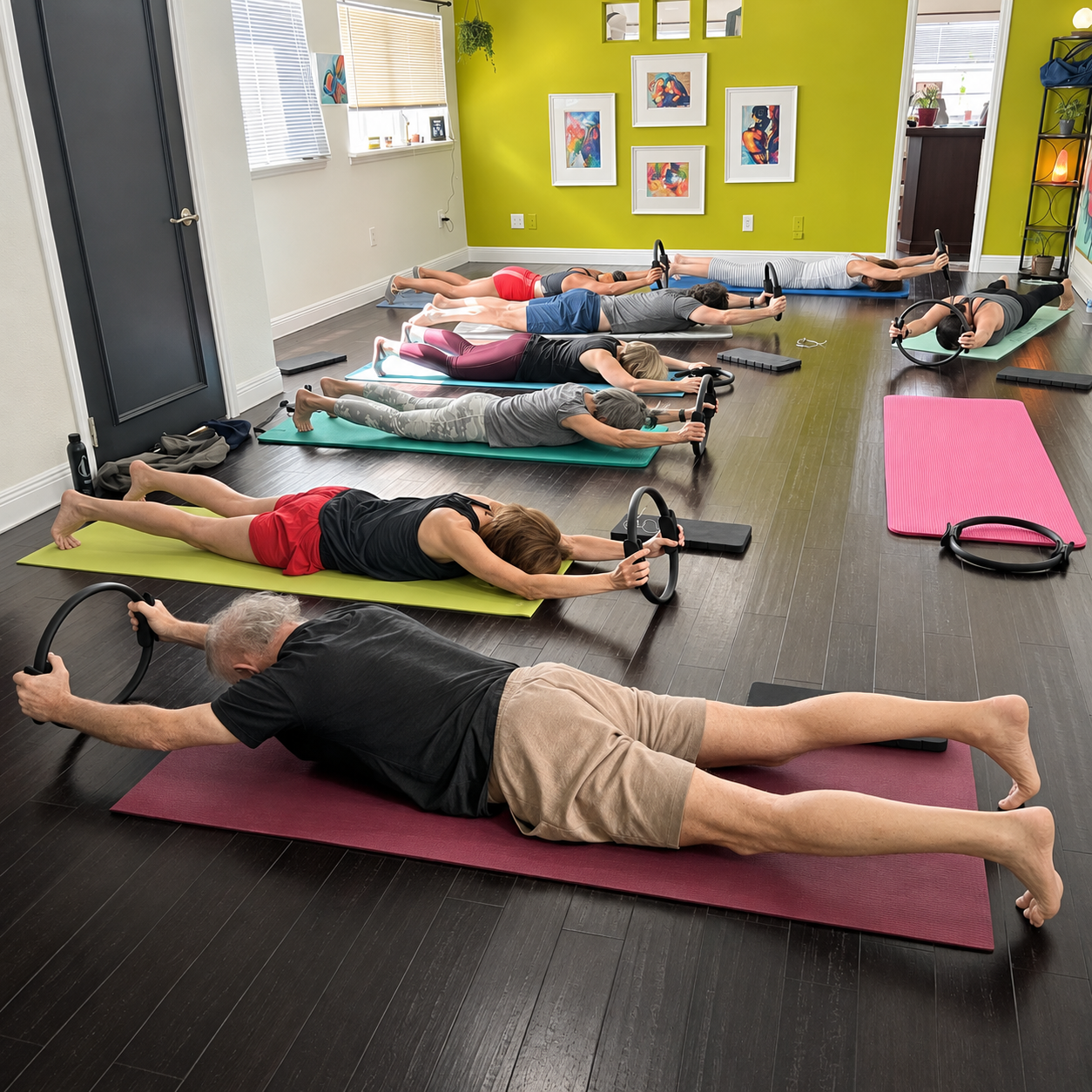
Body Mechanics is about how you experience movement—not just which movements you perform.
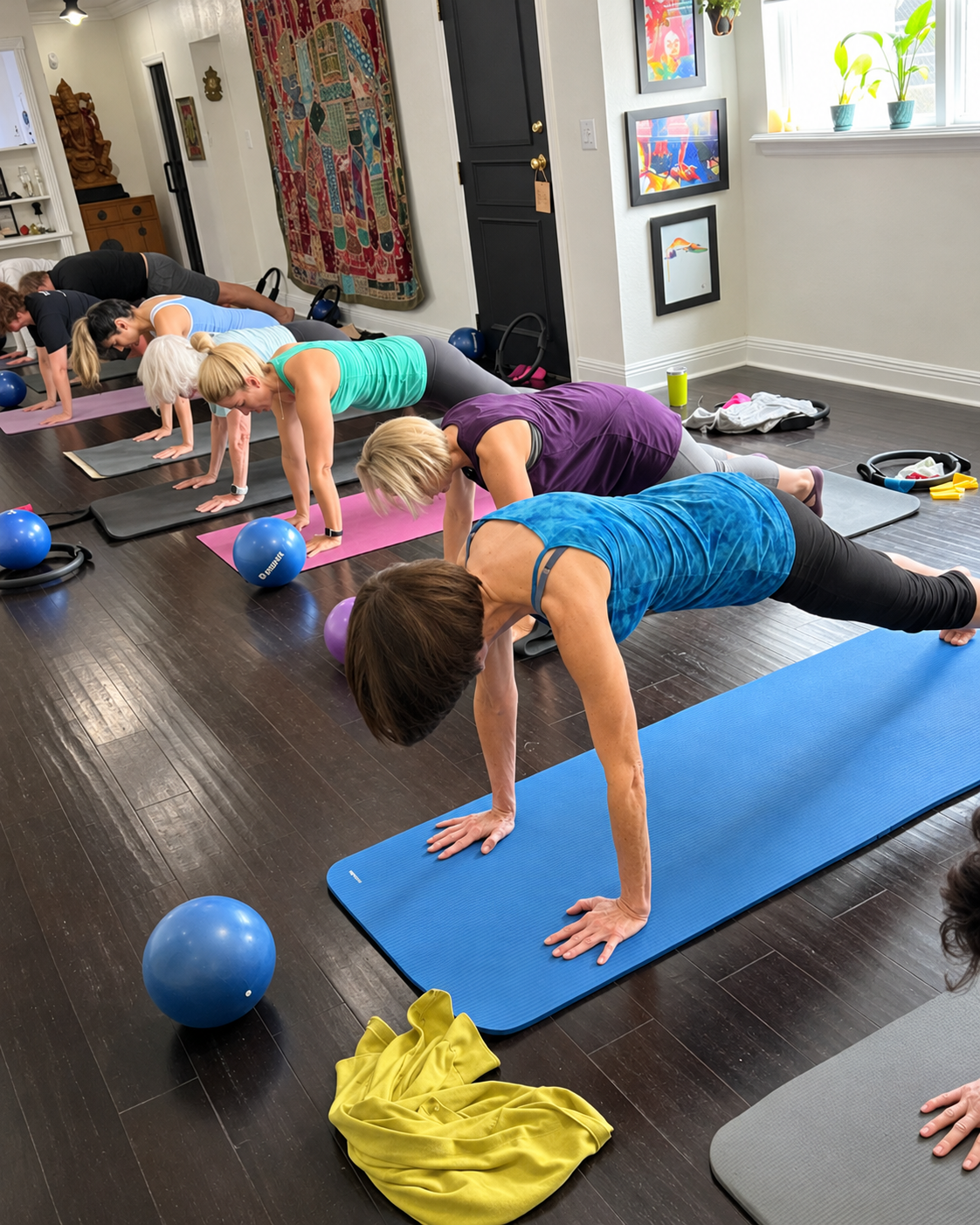
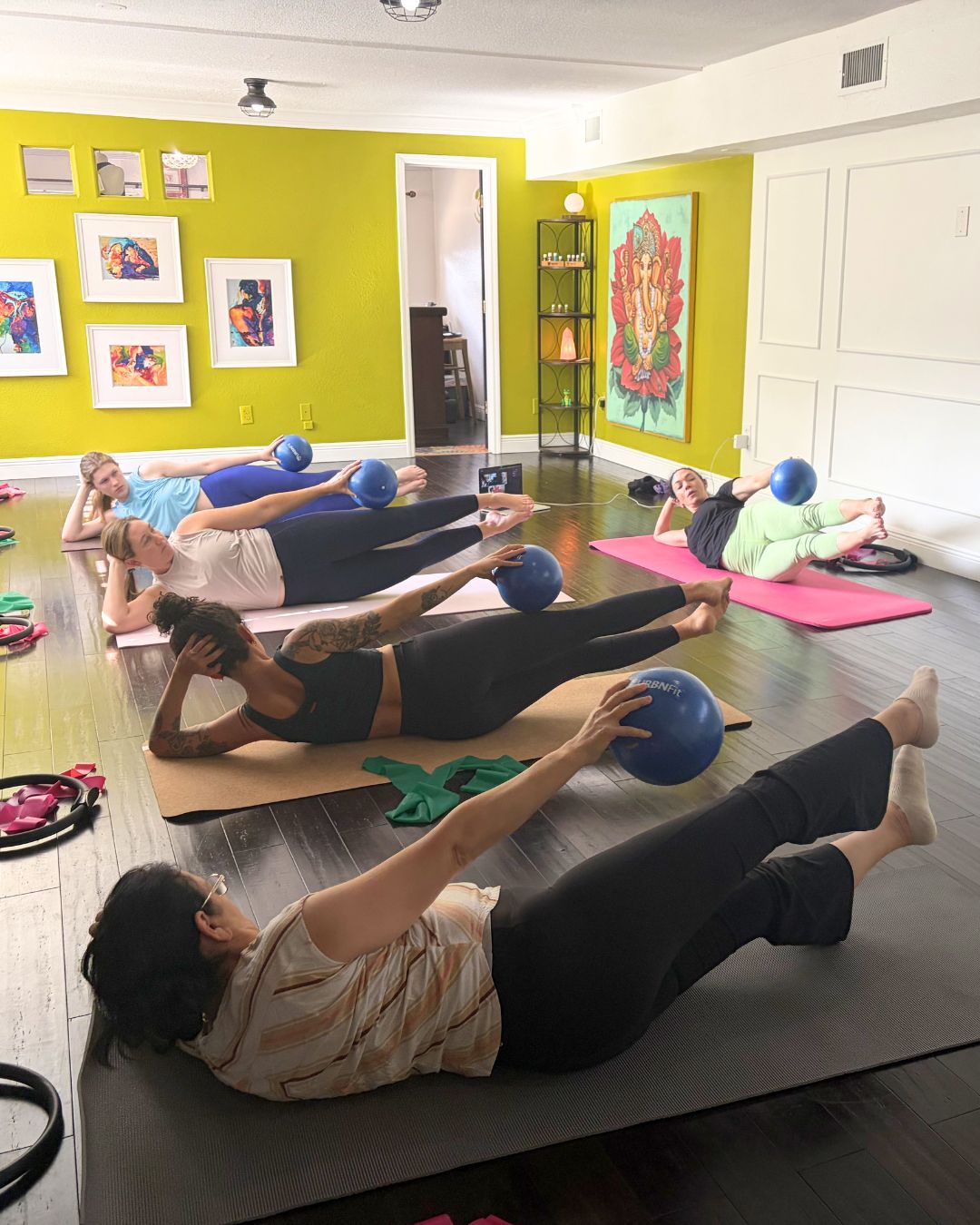
A class may share familiar elements with mat Pilates, yoga, and functional strength training. But the experience is different. We slow things down, explore different positions, notice where effort travels, and pay attention to how the body responds.
You might compare your two sides, change how you're breathing, reduce the range of a movement, or repeat an exercise with an entirely different point of focus.
The goal isn't perfect symmetry or forcing your body into an ideal shape. It's developing useful strength, clearer awareness, better coordination, and more ways to respond to the movement demands of everyday life.
Observe · Experiment · Strengthen · Adapt
Beyond muscles and joints
Every movement involves information: where you are in space, what you feel internally, and how your brain coordinates action. Body Mechanics brings attention to these processes through practical movement rather than abstract theory.
Your sense of where your body is and how its parts are moving—even when you're not looking. We explore position, control, balance, and the differences between sides.
Your awareness of internal sensations such as breath, tension, effort, and fatigue. Learning to notice these signals can help you make more informed movement choices.
Your nervous system continues to learn through experience and repetition. Changing pace, attention, support, and resistance creates new opportunities to practice coordination.
Inside the practice
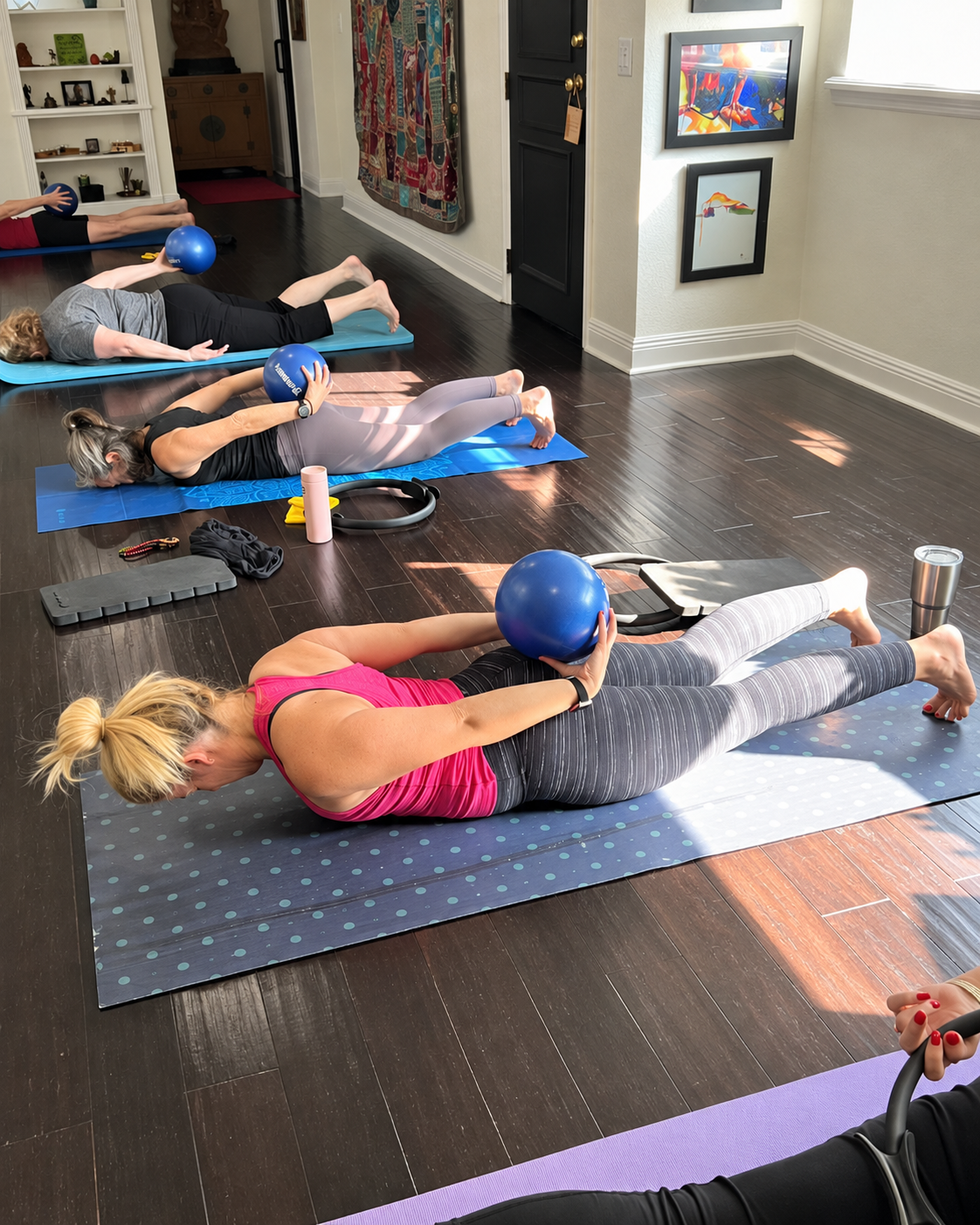
Notice your breath, the quality of effort, where you're compensating, and how movement actually feels.
Work with variations in position, range, resistance, and focus. Learn from differences instead of treating them as failures.
Develop control, mobility, coordination, and resilience without relying on speed, momentum, or forcing.
A practice for different starting points
Body Mechanics can be adapted for different experience levels, abilities, and goals. You don't need a yoga background or perfect coordination to begin.
Start with deliberate instruction, accessible movement options, and time to understand what you're doing.
Complement yoga, running, strength training, or sport with more coordination, control, and body awareness.
Explore ways to rebuild strength, mobility, and confidence at a pace appropriate for you.
Learn to work more thoughtfully with compensation, limitation, or an injury history while respecting medical guidance.
Body Mechanics is movement education, not medical diagnosis, physical therapy, or a substitute for healthcare. If you have an injury, medical condition, or post-surgical restrictions, follow your healthcare provider's guidance and discuss relevant limitations before participating.
From the creator
I've spent decades teaching movement and observing how differently people experience their own bodies. My curiosity has always extended beyond whether someone can perform a movement to how they create it.
In 2019, a severe shoulder nerve injury profoundly changed my relationship with movement. My own experience of adapting to changes in strength and function deepened my interest in the nervous system, coordination, and the ways we learn.
Body Mechanics continues to evolve through teaching, exploration, and the questions my students and I discover along the way.
The goal isn't to force the body we think we should have. It's to understand the one we're working with.
Practice with Krista
Some people learn best in the energy of a group class. Others benefit from individual guidance or an online program they can revisit on their own schedule.
The Yoga Shala · Maitland, Florida
Experience Body Mechanics in a supportive group setting. Build strength, balance, mobility, and coordination with instruction that allows for individual differences.
View Class ScheduleIn Person or Virtual
Work one-on-one with me through movement education shaped around your goals, history, questions, and current capabilities. Sessions can be arranged in person or virtually.
Explore Private Body MechanicsSix-Week Online Program
Explore movement, body awareness, and nervous-system education in a guided online course designed for people navigating persistent pain or feeling disconnected from their bodies.
Explore Reclaim Your BodyA few common questions
Begin where you are
You don't need to be more flexible, stronger, or more coordinated before starting. Come with curiosity, learn something about your body, and build from there.