Breath
Breathing establishes rhythm and supports the relationship between movement, effort, and attention.

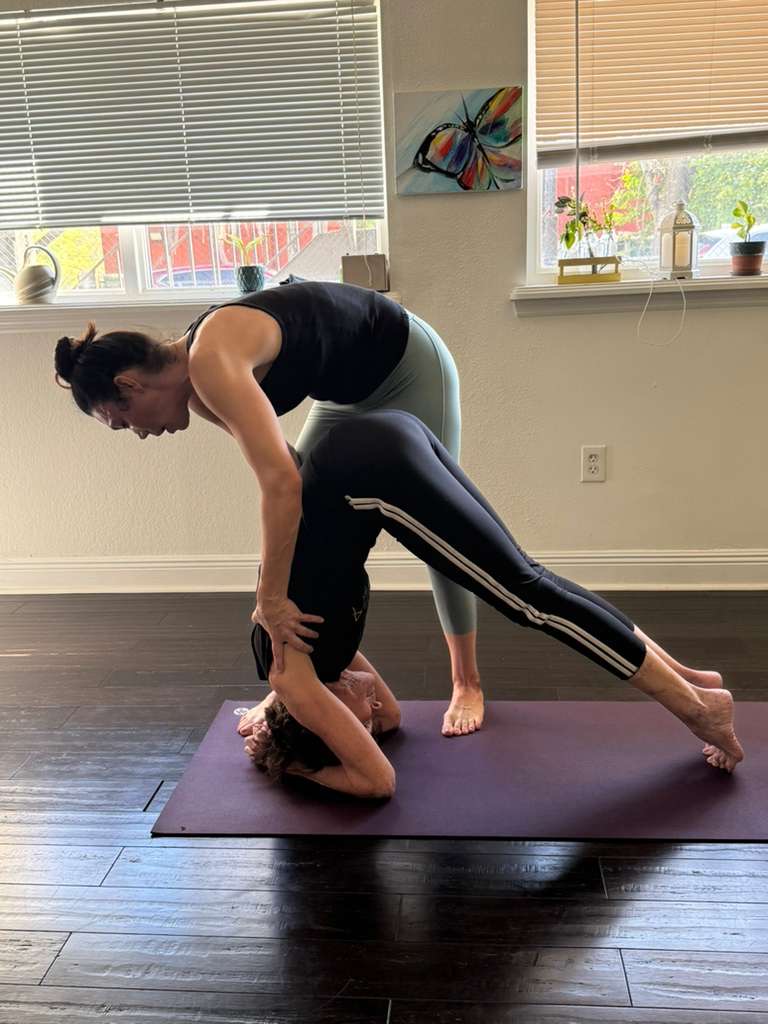
Krista Shirley · Traditional Ashtanga Yoga
Rooted in tradition. Taught one person at a time.
For more than two decades, Ashtanga Yoga has shaped my life, my teaching, and my understanding of practice. I teach the traditional Mysore method with deep respect for its lineage and personal attention to the individual.
What is Ashtanga Yoga?
The sequence becomes familiar. The experience never stops teaching.
Traditional Ashtanga Yoga brings breath, posture, movement, focused gaze, and concentration together through a progressive method.
Unlike a class where the sequence changes every day, Ashtanga offers a consistent framework. Over time, you learn the postures and transitions, allowing more attention to settle on breath, sensation, effort, and awareness.
The practice is physically engaging, but its purpose extends beyond achieving postures. It is an ongoing opportunity for self-study, steadiness, discipline, and learning.
Breathing establishes rhythm and supports the relationship between movement, effort, and attention.
Breath and movement are connected through a deliberate method, rather than unrelated exercises.
Focused gaze helps direct attention and supports the contemplative quality of the practice.
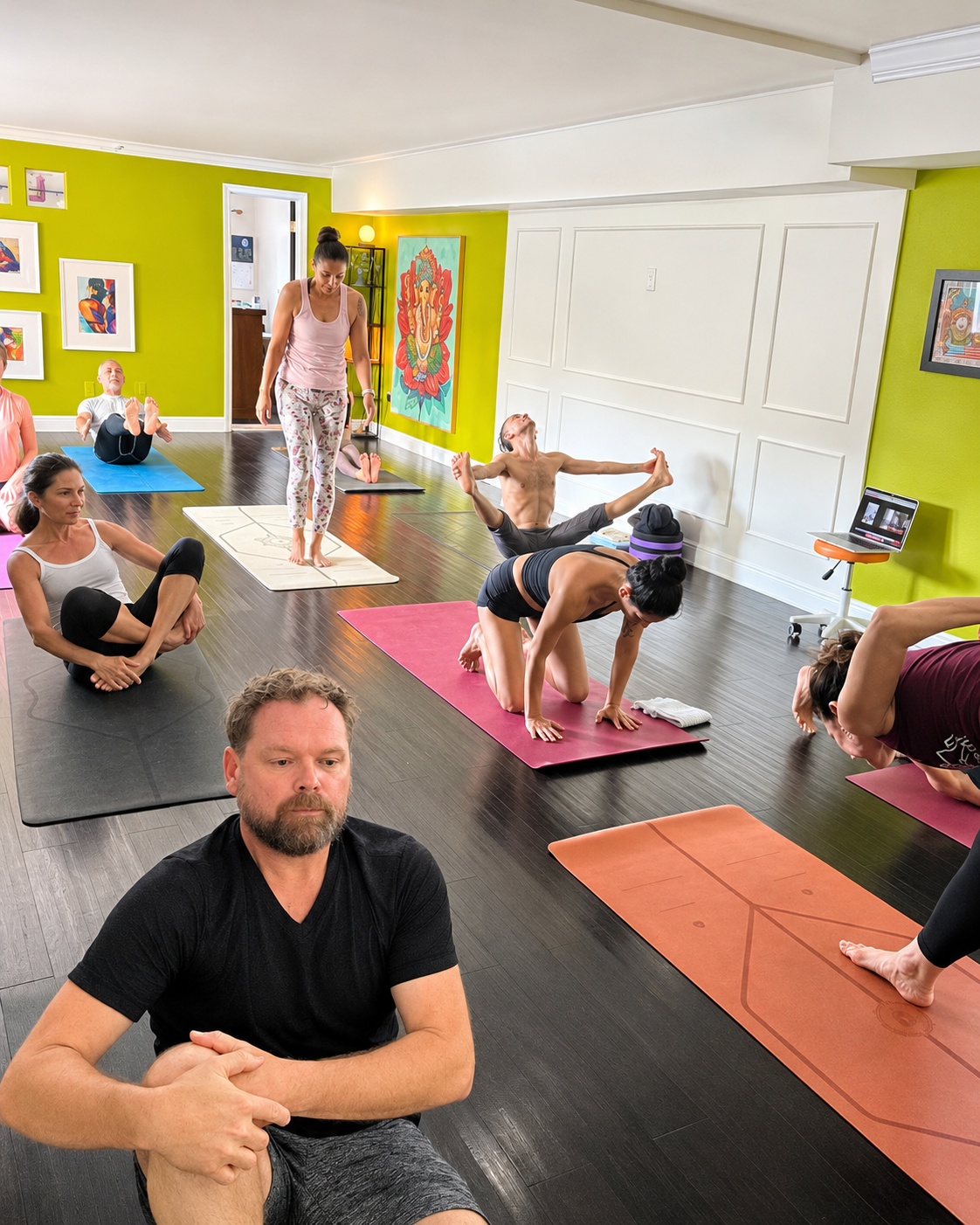
The Mysore method
Mysore is the traditional way Ashtanga Yoga is learned: students practice together while their teacher works with each person individually.
Rather than following a single class-wide sequence, you practice the portion you have learned, at a pace appropriate for your experience and capacity.
The teacher observes, offers guidance, introduces new material progressively, and helps you develop a practice you genuinely understand.
Parampara · The teacher-student tradition
My first journey to Mysore, India, was in 2005. I returned again and again, studying with the teachers who carried the Ashtanga tradition through generations.
In February 2009, I received Level II Authorization from Sri K. Pattabhi Jois and Sharath Jois. That authorization represented both an extraordinary privilege and a continuing responsibility to teach with integrity.

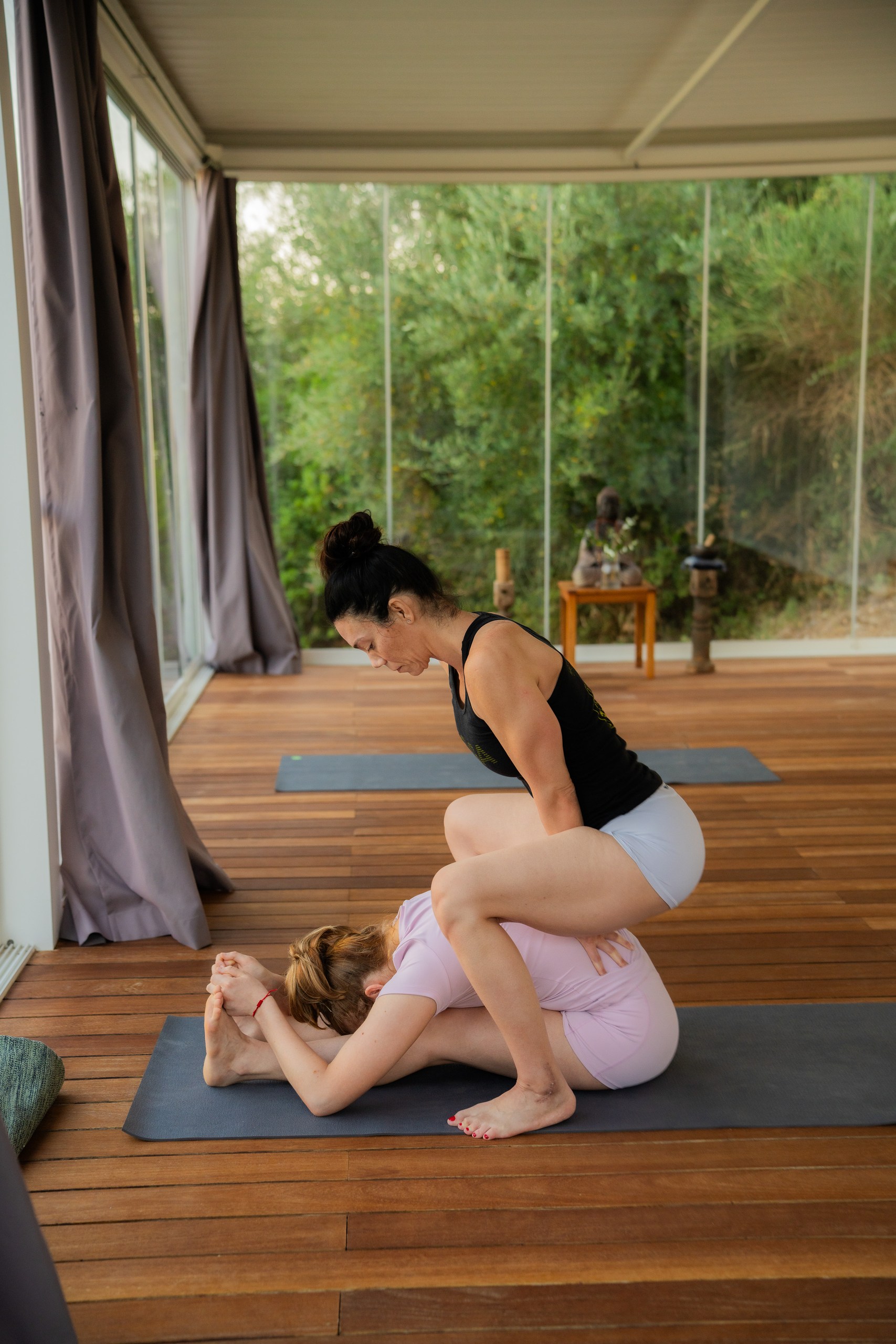
How I teach today
My responsibility as a teacher is to respect the traditional Ashtanga method while genuinely seeing the person practicing in front of me.
Students arrive with different bodies, histories, strengths, limitations, and questions. Individual instruction allows us to honor those differences rather than ignore them.
I want students to understand what they're practicing, develop a meaningful relationship with it, and feel supported as that relationship evolves.
Tradition provides a foundation. Teaching requires attention.
Practice with Krista
Whether you're walking into your first Ashtanga class, returning after time away, or seeking a deeper understanding of the method, there are different ways to learn with me.
The Yoga Shala · Maitland, Florida
Learn traditional Ashtanga through individualized instruction in a shared practice room. Beginner Mysore provides a supported entry point for students who are new to the method.
View Mysore Class TimesIndividual Instruction · In Person or Virtual
Explore foundations, breath, technique, transitions, sequencing, or deeper aspects of your established practice with uninterrupted one-on-one guidance.
Explore Private YogaYoga with Krista · YouTube
Explore yoga tutorials, guided practices, and movement education through my Yoga with Krista channel, where I've been creating educational videos since 2010.
Explore Yoga with KristaBeyond the studio
I also share Ashtanga through workshops and international retreats, creating time for continued study, personal instruction, connection, and exploration.
Next retreat: Cappadocia, Turkey — May 25–31, 2027.
Explore the Cappadocia RetreatYour questions, answered
You don't need to arrive knowing the sequence or having an established yoga practice. Learning is what you're here to do.
Begin your practice
You don't have to become more flexible, stronger, or more experienced before you begin. Learn the foundations, ask questions, and allow a personal practice to develop over time.